
Gum, Jobs and Exports: Mars Wrigley’s Quiet $100 Million Factory Revolution in Kenya
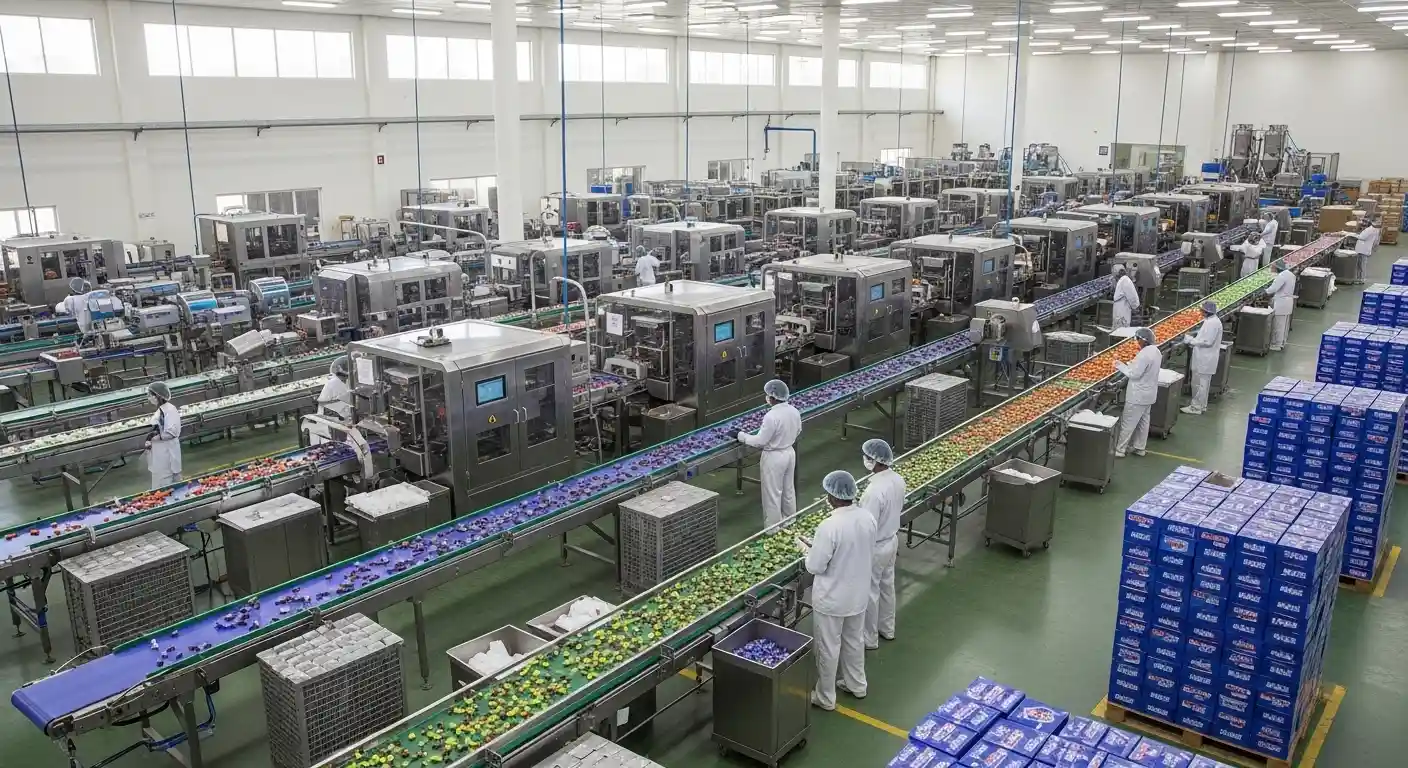
Mars Wrigley has quietly turned its Kenyan operation into a billion-shilling bet on Africa and the Middle East, anchored in a modern Athi River factory and an expanding export and entrepreneurship ecosystem. From a modest gum plant in Industrial Area opened in 1972, the business has evolved into Mars’ only confectionery manufacturing hub in Africa, serving more than a dozen countries and now even supplying sugar-free gum to Gulf markets.
Thank you for reading this post, don't forget to subscribe!From Industrial Area to Athi River
Wrigley’s story in Kenya began in 1972, when the company set up its first factory in Nairobi’s Industrial Area to make chewing gum for the local market and neighbouring countries. For decades, this was the nerve centre producing familiar brands like Big G, PK, Doublemint, Juicy Fruit and Orbit, building an overwhelming share of Kenya’s gum category through aggressive distribution and value pricing.
In the mid-2010s, Mars Incorporated – which had acquired Wrigley in 2008 – made a strategic call to double down on Kenya, announcing a new plant in Athi River worth about KSh 7 billion (roughly USD 60–70 million at the time). The Athi River facility, built on about 20 acres in Mavoko, was officially opened around 2019–2020, replacing the old Industrial Area site and significantly expanding capacity and product range.
A $100m-plus manufacturing bet
The Athi River factory represented Mars Wrigley’s first major wave of fresh capital, with the Sh7 billion (circa USD 69 million) investment positioned as a long-term commitment to East Africa’s consumer growth story. That plant was designed to produce roughly 7–8 billion pellets of chewing gum a year, anchoring Wrigley’s market leadership in Kenya, where its PK, Doublemint and Extra brands dominate the gum segment.
A second wave of investment is now underway with a new sugar-free gum production line at Athi River, costing about KSh 4.2–4.3 billion (around USD 33 million) over three years and shifting production from Poland to Kenya. Taken together, Mars Wrigley has now deployed more than USD 70 million in its Kenyan manufacturing base and plans to push that figure past USD 100 million as the sugar-free line ramps up.
What the Kenyan plant makes
At its core, the Kenyan operation still revolves around chewing gum, anchored by mass-market favourites such as Big G, PK, Doublemint, Orbit and Juicy Fruit. The Athi River plant was also designed to go beyond gum into sugar confectionery, including brands like Skittles and potentially a wider Mars chocolate portfolio for the region.
The newest chapter is sugar-free gum: Athi River will now manufacture Orbit sugar-free gum for Sub-Saharan Africa and Extra sugar-free gum for Arabic-speaking markets in North Africa and the Gulf. This move not only adds higher-value, health-positioned products to the Kenyan line-up but also positions the plant as a regional specialist in sugar-free formats that had previously been imported from Europe.
Serving Africa and the Middle East
From Kenya, Mars Wrigley already serves a wide belt of African markets including Uganda, Tanzania, Rwanda, Burundi, Ethiopia, Djibouti, DR Congo and South Sudan. With the Athi River expansion, the export footprint now stretches further into Egypt and Nigeria, making Kenya a logistics and production springboard for key African economies.
The new sugar-free gum line extends that reach into the Middle East, with Extra planned for Egypt, Saudi Arabia, the UAE, Iraq, Libya, Lebanon and the wider Gulf. By reshoring production from Poland to Athi River, Mars Wrigley cuts lead times, reduces exposure to European supply disruptions, and cements Kenya’s role in its Middle East and Africa (MEA) network.
Strategy: hub, affordability and last-mile reach
Mars Wrigley’s Kenyan strategy blends three strands: manufacturing scale, affordable branding, and an innovative route-to-market model. On the factory side, the company is using Athi River as an efficiency play – one high-capacity plant serving multiple countries instead of fragmented smaller operations, allowing it to keep unit costs low while meeting rising demand from a young, urbanising population.
On the ground, the Maua entrepreneurship programme has become the face of its go-to-market strategy in low-income and hard-to-reach areas. Started in 2013, Maua recruits and trains micro-entrepreneurs – now roughly 1,600 in Kenya with plans to add another 1,000 – to sell Mars Wrigley products into informal settlements and rural communities, and the model is being extended to Tanzania and Rwanda.
Human impact: jobs, youth and SMEs
Behind the machines and export numbers is a web of livelihoods. The Athi River facility directly employs around 200 people and supports more than 3,500 jobs when suppliers, distributors and Maua entrepreneurs are factored in. Company estimates and partner reports suggest the factory’s value chain spans farmers, packaging suppliers, transporters, retailers and kiosk owners, many of them youth and women.
Through Maua, over 1,000 young people and women had already benefited by 2019, using branded pushcarts and basic working capital to build small businesses around selling gum and confectionery. With high retention rates among micro-entrepreneurs and county-level political backing, the programme has become a social-enterprise layer atop a conventional FMCG distribution engine.
What Kenya gets out of the deal
For Kenya, Mars Wrigley’s decision to manufacture locally rather than just import is paying out in jobs, taxes, skills and export receipts. The Athi River plant boosts the manufacturing pillar of the country’s industrialisation agenda, with senior company executives and government officials repeatedly framing it as proof that Kenya can host world-class food and consumer-goods factories.
Exporting to more than 14 African markets plus new Middle Eastern destinations positions Kenya to earn more foreign exchange from value-added products rather than raw commodities, while also deepening regional trade links. At the same time, the factory’s technology transfer and quality standards expose Kenyan engineers, technicians and managers to global manufacturing systems, raising the country’s human-capital base in modern FMCG production.
A portrait of a quiet anchor investor
In a country often fixated on headline-grabbing mega-projects, Mars Wrigley’s Kenyan story is a quieter kind of anchor investment: patient, manufacturing-led and deeply embedded in everyday consumer habits. From the Big G chewed in matatus to the Orbit tablets heading to supermarkets in Lagos and Riyadh, the Athi River plant now links Kenyan shop counters to cash tills across Africa and the Middle East.
With more than USD 70 million already sunk into bricks, steel and stainless-steel lines – and another USD 33 million earmarked for sugar-free production – the company is effectively betting that Kenya’s combination of location, talent and regional trade access will continue to pay off. For workers in Machakos, kiosk owners in informal settlements and customs officers stamping export documents at the Port of Mombasa and Jomo Kenyatta International Airport, that bet has already begun to translate into tangible opportunity.
